No Parking Traffic Sign Vector Illustration: A Clear and Practical Design for Effective Communication
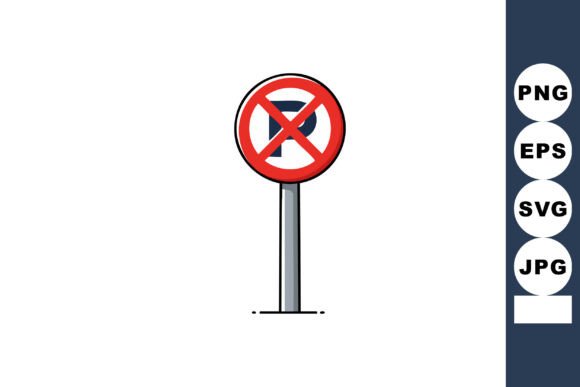
A no parking traffic sign vector illustration is a digital representation of the classic "No Parking" road sign, typically used in urban planning, signage design, and graphic applications. This type of illustration is crafted using vector graphics, which means it is composed of scalable lines and shapes that maintain clarity at any size or resolution. The most common elements include a red diagonal cross over a black letter “P” on a white background, mounted on a vertical pole to simulate real-world placement.
Unlike raster images such as JPEGs or PNGs, vector illustrations like the no parking sign are not made up of pixels. Instead, they use mathematical formulas to define each shape and line. This allows them to be resized without losing quality, making them especially useful for designers who need high-resolution outputs for both print and digital media.
Key Features of No Parking Traffic Sign Vector Illustrations
The no parking traffic sign vector illustration offers several distinct advantages:
- Scalability: Because it’s a vector file, the illustration can be scaled up or down without any loss of detail or pixelation. This makes it ideal for billboards, vehicle wraps, or mobile app interfaces.
- Editable Elements: Each component—like the red cross, the letter “P,” and the pole—is separate and editable. This flexibility allows for customization in color, size, or layout to fit specific branding or project requirements.
- Cross-Format Compatibility: These illustrations are often provided in multiple formats such as SVG, EPS, JPG, and PNG, ensuring compatibility across various platforms and software tools.
- Clarity and Simplicity: The clean, straightforward design ensures that the message is easily understood by drivers and pedestrians alike, regardless of language barriers.
When to Use a Vector Illustration Over Other Formats
While raster-based versions (like JPG or PNG) of the no parking sign are widely available, vector illustrations offer unique benefits in certain scenarios. For example, if you're designing a city map with numerous icons and signs, using vector files will ensure consistency in style and quality across all elements. Similarly, when creating large-format signage for public spaces or transportation hubs, the scalability of vector graphics becomes essential.
In contrast, raster images may appear blurry when enlarged beyond their original dimensions. This limitation makes them less suitable for professional-grade design work where precision and sharpness are required.
Comparing Vector Illustrations with Other Types of No Parking Sign Graphics
There are several types of digital representations for the no parking sign, each suited to different purposes:
- Photographic Images: High-quality photos of actual no parking signs can be effective for realism but lack the scalability and editability of vector files. They’re best used when a lifelike appearance is more important than adaptability.
- Raster-Based Clip Art: These are pre-made images in formats like PNG or JPG. While convenient, they don’t allow for easy modification and can lose quality when resized. Ideal for simple web use or low-resolution print jobs.
- Vector Illustrations: As discussed, these provide the highest level of flexibility and quality. They are particularly valuable in projects requiring precise scaling or color adjustments.
- 3D Models: Some designers opt for three-dimensional renderings of traffic signs, especially for virtual environments or architectural visualizations. However, these models require specialized software and are not always necessary for standard signage needs.
Choosing between these options depends on your project's scope and technical requirements. If you're looking for something that balances simplicity with functionality, the no parking traffic sign vector illustration stands out as a strong contender.
Strengths and Limitations of the No Parking Traffic Sign Vector Illustration
The primary strength of this vector illustration lies in its versatility. Whether you're working on a website mockup, a printed brochure, or a city planning schematic, the ability to scale and modify the image is invaluable. Additionally, the minimalist design adheres to international traffic sign standards, ensuring universal recognition and compliance with local regulations.
However, there are some limitations to consider. Vector illustrations may not capture the exact texture or lighting of a real-world sign unless enhanced with additional effects. Also, while the basic design is standardized, customizing it too much could potentially reduce its effectiveness as a recognizable symbol. It's crucial to maintain legibility and avoid overdesigning when using this type of illustration in official or public-facing contexts.
Best-Fit Situations for Using This Illustration
Here are a few situations where the no parking traffic sign vector illustration would be an excellent choice:
- Urban Planning Projects: When creating layouts for streets, parking lots, or infrastructure proposals, vector illustrations help convey information clearly and professionally.
- Mobile and Web Applications: Developers often use vector graphics to ensure responsive design. The no parking sign can be integrated into apps related to navigation, traffic management, or location services.
- Graphic Design Workshops: Educators and students can benefit from using vector illustrations to learn about scalable design principles and industry-standard symbols.
- Printed Materials: From brochures to posters, the illustration remains crisp and clear at any print size, avoiding the pitfalls of pixelated images.
For instance, imagine you're designing a public transit guide that includes maps with various traffic control symbols. Using a vector illustration of the no parking sign ensures that all icons align visually and remain legible whether printed on a small leaflet or displayed on a large poster.
Practical Examples of Use
Let’s look at two realistic examples to highlight how this illustration can be applied:
- Signage for Event Venues: When setting up temporary event zones, organizers might use vector-based no parking signs for banners, directional boards, or digital displays. The ability to adjust colors and sizes helps match the venue's theme while maintaining regulatory clarity.
- Educational Resources: In a driver education course, instructors can use vector illustrations to explain traffic rules. By modifying the background or adding annotations, they can create engaging and informative materials tailored to their curriculum.
These examples demonstrate how the illustration supports both functional and creative uses. Its adaptability makes it a go-to resource for professionals in design, education, and infrastructure development.
How to Choose Between Vector and Raster Alternatives
Deciding whether to use a vector illustration or another format comes down to a few key factors:
- Project Requirements: Do you need to scale the image? Will it be used in print or digital formats? These questions can guide your choice.
- Editing Needs: If you plan to change colors, add text, or integrate the sign into other designs, vector files offer superior flexibility.
- Software Compatibility: Make sure your design tools support vector formats like SVG or EPS. Many modern graphic design programs do, including Adobe Illustrator, Inkscape, and Sketch.
- File Size Considerations: Vector files tend to be smaller than high-resolution raster images, which is beneficial for online delivery or storage efficiency.
If your project requires quick turnaround and minimal editing, a raster version might suffice. But for long-term usability and adaptability, the no parking traffic sign vector illustration is likely the better option.
Common File Formats Included in the ZIP Package
Most downloadable packages of the no parking traffic sign vector illustration come with a variety of file types. Here's what you might expect in a typical ZIP folder:
- SVG (Scalable Vector Graphics): A web-friendly format that maintains quality at any size and is compatible with many design and coding tools.
- EPS (Encapsulated PostScript): A versatile format preferred for professional printing and vector editing. It supports layers and paths, making it highly customizable.
- JPG (Joint Photographic Experts Group): A compressed raster format suitable for online use where transparency isn't needed.
- PNG (Portable Network Graphics): A high-quality raster format that supports transparent backgrounds, ideal for overlaying on different surfaces or websites.
This multi-format approach ensures that users have the right tool for every job. Whether you need a scalable vector for editing or a static image for display, the included files make it easy to find the perfect fit.
Alternatives to Consider
While the no parking traffic sign vector illustration is a robust solution, there are alternatives worth considering depending on your needs:
- Custom Vector Design Services: For niche or highly customized traffic sign designs, hiring a professional designer may be appropriate. This route allows for unique variations but comes with higher costs and time investment.
- Stock Image Platforms: Some platforms offer stylized or artistic versions of the no parking sign in vector form. These are great for creative projects but may deviate from standard traffic sign conventions.
- Open Source Vector Libraries: Free resources exist that provide similar illustrations, though they may vary in quality or accuracy. Always verify that the design meets legal or safety standards if it's intended for real-world application.
Each alternative has its pros and cons. Custom design services deliver tailor-made results but are more expensive. Stock images offer creativity at the expense of standardization. Open-source libraries are budget-friendly but may require extra vetting for reliability and clarity.
When the No Parking Traffic Sign Vector Illustration Might Not Be Right
Though highly useful, there are cases where this illustration may not be the best fit:
- Highly Realistic Scenes: If you're working on a photorealistic rendering or simulation, a high-resolution photo or 3D model might better suit the aesthetic.
- Complex Animations: For animated content, vector graphics can sometimes be harder to manipulate compared to raster-based assets. Specialized animation software may be required.
- Non-Traffic Contexts: If your design doesn't aim to communicate strict traffic rules, a more abstract or stylized version of the no parking symbol might be preferable.
In such cases, it's wise to evaluate whether the illustration's simplicity and standardization align with your goals. If not, exploring other visual approaches may yield better results.
Conclusion
The no parking traffic sign vector illustration is a reliable and adaptable design asset for anyone involved in signage, mapping, or instructional material. Its clean structure, compatibility with multiple formats, and adherence to standard iconography make it a practical choice for both professional and personal use. However, it's important to weigh its strengths against potential limitations and consider whether other options might serve your specific needs better.
By understanding the tradeoffs and knowing when to apply this illustration, you can make informed decisions that enhance the clarity and impact of your designs.