Gothic Old English: A Bold Blend of History and Modern Design
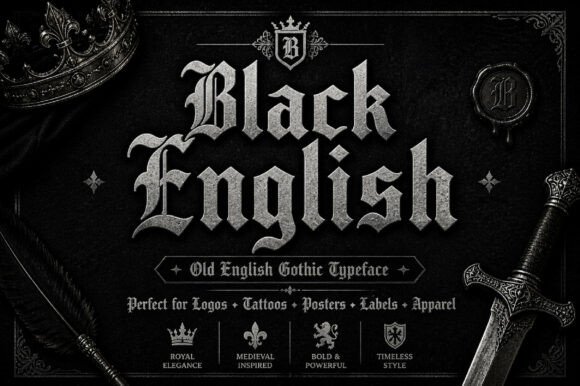
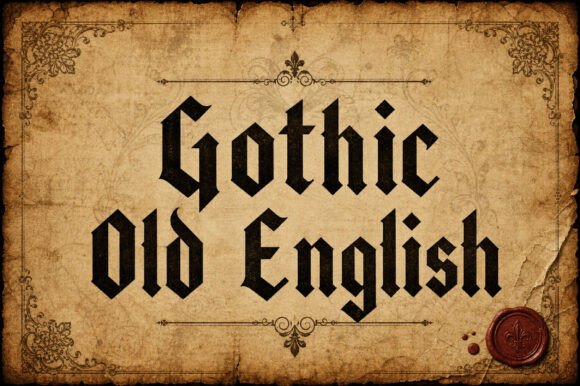
In a digital landscape overflowing with sleek, minimalist fonts, Gothic Old English emerges as a striking exception. This blackletter display font is more than just a typographic choice—it’s a visual statement rooted in centuries of tradition. With its sharp edges, medieval inspiration, and authentic calligraphic structure, Gothic Old English offers designers and creatives a powerful tool to evoke authority, heritage, and timeless elegance.
What Makes Gothic Old English Unique?
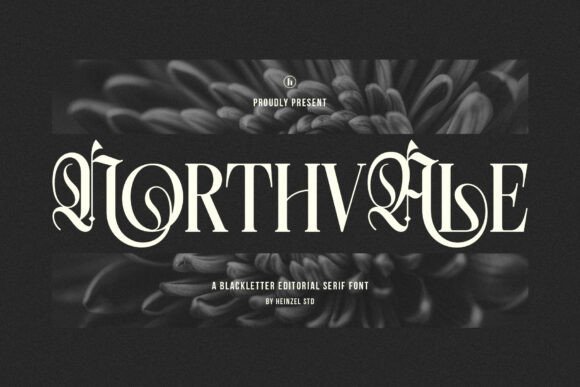
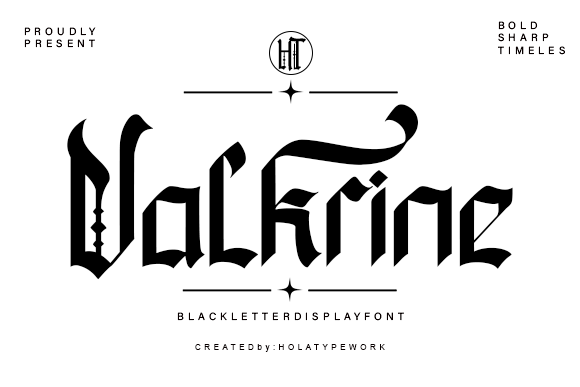
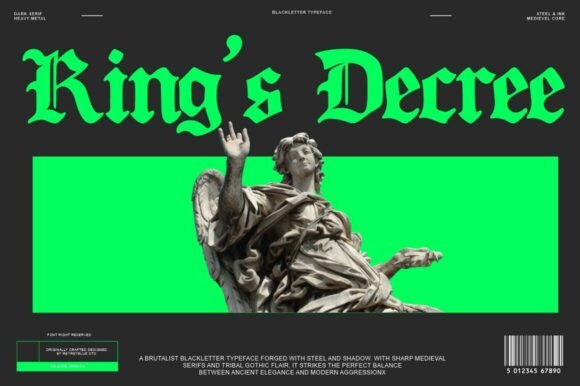
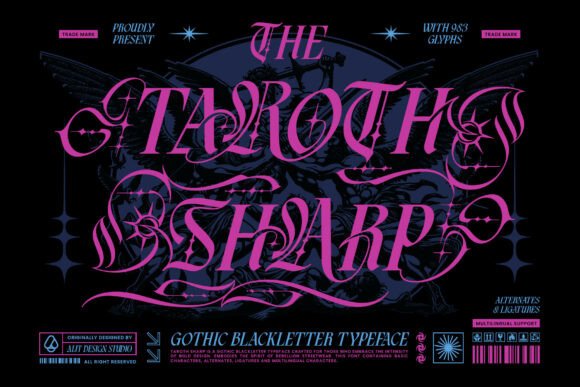
At first glance, Gothic Old English appears steeped in the past. Its bold, angular forms are reminiscent of illuminated manuscripts and early Germanic scripts, yet it has been carefully adapted for modern use. Unlike generic blackletter fonts that often lean toward caricature or over-the-top stylization, Gothic Old English retains the structural integrity and gravitas of traditional Old English calligraphy. Each letter carries a sense of weight and purpose, making it ideal for applications where presence and permanence matter most.
The font’s design incorporates elements such as thick serifs, elongated strokes, and a slightly condensed width. These features not only contribute to its dramatic appearance but also enhance readability when used appropriately. While many blackletter fonts can be difficult to decipher at smaller sizes, Gothic Old English maintains a balance between historical authenticity and usability in contemporary contexts.
A Timeless Font for Modern Applications
Fonts like Gothic Old English have found renewed relevance in today’s creative industry. Whether you're designing a brand identity, crafting an album cover, or creating event invitations, this font adds a layer of sophistication and depth. It’s particularly effective for niches such as:
- Branding and logos – especially for businesses in the craft beer, luxury goods, or historical reenactment sectors.
- Tattoo art – where meaning and visual impact are equally important.
- Album and book covers – genres like metal, fantasy, or literature benefit from its evocative style.
- Ceremonial and formal documents – certificates, awards, and official seals gain a touch of gravitas.
- Marketing materials – posters, flyers, and banners demand attention with its commanding look.
This resurgence isn’t accidental. As audiences seek more meaningful and unique experiences, typography plays a critical role in setting the tone. Gothic Old English allows designers to tap into a rich visual language that communicates both strength and tradition—qualities increasingly valued in branding and storytelling across industries.
Why Are People Turning to Gothic Old English Now?
Several factors explain the growing interest in Gothic Old English and similar fonts. First, there’s a broader cultural shift toward embracing analog aesthetics in a digital-first world. The popularity of vinyl records, handcrafted products, and vintage-inspired designs reflects a desire for authenticity and craftsmanship. Gothic Old English aligns perfectly with these values by offering a tactile, historically grounded typeface that stands out in a sea of sameness.
Second, the rise of niche markets and subcultures has led to a greater appreciation for specialized fonts. Whether it's gothic fashion, indie gaming, or fantasy-themed content, creators are seeking tools that help them communicate their unique identities. Gothic Old English provides that distinct edge without sacrificing professionalism, making it a favorite among entrepreneurs and artists who want to make a strong impression.
Finally, advancements in digital typography have made it easier than ever to use complex fonts like Gothic Old English effectively. High-resolution screens, scalable vector formats, and improved rendering engines allow for crisp presentation even on mobile devices. This means that the font can now be applied in diverse digital environments—from website headers to social media posts—without losing its character or clarity.
Practical Uses for Gothic Old English
To truly appreciate Gothic Old English, it helps to see how it functions in real-world scenarios. Here are a few examples of how professionals are leveraging this font:
- Logo design – A local brewery uses Gothic Old English for its logo to evoke a sense of old-world charm and quality. The font complements the rustic packaging and enhances brand recognition.
- Album artwork – An independent music producer selects Gothic Old English for a new doom metal release. The font’s dark, imposing nature mirrors the band’s aesthetic and deepens the listener’s emotional connection.
- Event branding – A wedding planner incorporates Gothic Old English into the stationery for a themed medieval-style reception. The font gives the event a regal and memorable feel.
- Book covers – Authors of historical fiction or horror novels choose Gothic Old English to set the right tone and attract genre-specific readers who appreciate immersive visuals.
These cases highlight how Gothic Old English is not merely decorative but strategically impactful. When used correctly, it can elevate a project from ordinary to extraordinary, helping it stand out in crowded markets.
Designing with Gothic Old English: Tips and Best Practices
While Gothic Old English is visually arresting, it requires thoughtful application to avoid overwhelming the viewer. Here are some practical tips for using it effectively:
- Use it sparingly – Due to its density and complexity, this font works best for headlines, titles, or short phrases rather than large blocks of text.
- Pair with complementary fonts – Combine Gothic Old English with simpler sans-serif or serif fonts for body copy to maintain legibility and balance.
- Consider color and contrast – Dark backgrounds or metallic finishes (gold, silver, copper) can enhance the font’s medieval vibe and create a more dynamic visual effect.
- Test at different sizes – Always ensure that the font remains readable and aesthetically pleasing at the size it will appear in final use.
For digital projects, it’s also essential to check how the font renders across various platforms and browsers. Some variations may affect the appearance, so always preview your design in multiple settings before finalizing it.
Embracing Tradition in a Digital Age
One of the most compelling aspects of Gothic Old English is its ability to bridge the gap between history and modernity. In an era where everything seems disposable, people are drawn to fonts that tell a story. Gothic Old English doesn’t just look good—it means something. It connects users to a lineage of craftsmanship, spirituality, and artistic expression that spans centuries.
This sentiment is particularly relevant for educators and historians who use the font in presentations or publications about medieval Europe, religious texts, or linguistic evolution. By incorporating Gothic Old English into their work, they not only add visual appeal but also reinforce the authenticity of the subject matter.
How Gothic Old English Fits Into Current Trends
Typography trends are cyclical, and we’re currently seeing a return to bolder, more expressive styles. Gothic Old English fits neatly within this movement, offering a dramatic alternative to the clean lines and geometric shapes dominating much of the design world today. It resonates with audiences who crave uniqueness and narrative depth in the visual content they consume.
Moreover, the font supports the trend toward experiential design, where every element contributes to the overall mood and experience. Whether it’s a brand identity, a product label, or a promotional poster, Gothic Old English adds a layer of immersion that can captivate viewers and leave a lasting impression.
Real-World Impact and Audience Reactions
Businesses and individuals who have adopted Gothic Old English report positive feedback from their audiences. For example, a small publishing house specializing in translated ancient texts saw a 20% increase in engagement after using the font in their marketing. Similarly, a tattoo artist noted that clients were more likely to request specific designs when presented with samples featuring Gothic Old English, as it enhanced the perceived value and meaning of the tattoos.
Such reactions aren’t surprising. Fonts influence perception, and Gothic Old English taps into subconscious associations with history, mystique, and authority. When used in the right context, it can transform how a brand or message is received, making it a valuable asset in any designer’s toolkit.
Where to Use Gothic Old English
Here are some of the top areas where Gothic Old English shines:
- Logos and branding – Especially for artisanal or heritage-based businesses.
- Poster design – Live events, festivals, and exhibitions benefit from its boldness.
- Tattoo lettering – Artists favor it for its ornate yet structured look.
- Album and merchandise design – Music genres like metal, folk, and classical often adopt it for its thematic resonance.
- Wedding and event invitations – Adds a touch of grandeur and romance.
- Academic and literary works – Enhances the visual tone of books, articles, and lectures focused on history or religion.
Each of these uses demonstrates the font’s versatility and enduring appeal. It’s not limited to one field or medium, which makes it an excellent investment for any professional looking to expand their typographic repertoire.
Why Gothic Old English Matters for Today’s Creators
As the demand for distinctive and meaningful design grows, so does the need for fonts that can convey those qualities. Gothic Old English meets this need by offering a blend of visual drama and historical credibility. It empowers creators to craft content that feels intentional, authentic, and impactful.
For freelancers and small business owners, choosing the right font can be the difference between blending in and standing out. Gothic Old English provides that edge without relying on gimmicks. It’s a font that commands respect and curiosity, inviting closer inspection and deeper engagement.
Additionally, the font supports brand consistency. Once integrated into a project, it reinforces a unified visual identity that customers and followers come to recognize and trust. This is especially valuable in competitive markets where differentiation is key.
Future Outlook and Considerations
While Gothic Old English is already gaining traction, its future looks promising. As long as there’s an appetite for unique, high-quality design, fonts with strong character and cultural roots will continue to be sought after. However, it’s important to remember that no single font is a magic solution. Success comes from understanding your audience and applying the font in ways that align with their expectations and preferences.
Looking ahead, we may see more hybrid versions of Gothic Old English that blend traditional elements with modern usability. But for now, the original remains a standout option for those who want to infuse their work with a sense of legacy and power.
Final Thoughts on Gothic Old English
Gothic Old English is more than a font—it’s a design philosophy. It represents a commitment to quality, history, and individuality in an age where these attributes are rare. Whether you’re a seasoned designer or just starting out, exploring this font could open up new creative possibilities and help you connect with your audience in a more profound way.
By integrating Gothic Old English into your workflow, you’re not just selecting a typeface; you’re making a statement. A statement that values heritage, embraces boldness, and refuses to settle for the mundane. So next time you’re looking for a font that speaks volumes, consider Gothic Old English—the perfect marriage of past and present in typography.