Exploring the Rugged Charm of Texas Cowboy Font
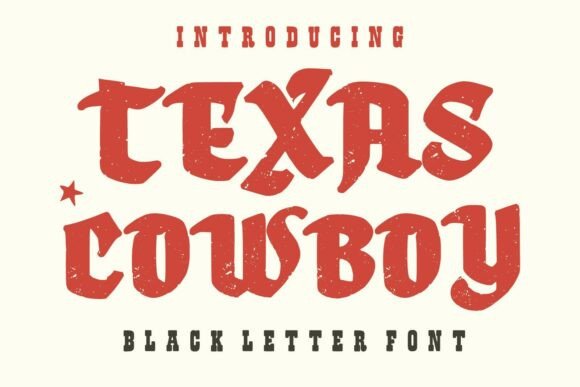
If you're looking to infuse your design projects with a bold, vintage aesthetic that echoes the spirit of the Wild West, you might want to consider Texas Cowboy. This display font is more than just a stylistic choice—it’s a tribute to the typography found in classic saloon signs and cowboy culture. With its rough textures and strong decorative strokes, it brings a unique sense of authenticity and character to any creative endeavor.
The Origins and Inspiration Behind Texas Cowboy
Texas Cowboy draws from the rich visual history of western typography. In the 19th century, towns across Texas and the broader American frontier relied on hand-painted signs to advertise everything from dry goods to entertainment. These signs often used block lettering with exaggerated serifs or none at all, giving them a rugged and distinctive look. The Texas Cowboy font captures that same essence by mimicking the weathered appearance and confident style of those original designs.
Its creators aimed to blend historical inspiration with modern usability, ensuring that while it maintains a vintage feel, it also works well in digital formats. Whether you’re designing for print or screen, this font offers a compelling way to connect with themes of adventure, independence, and nostalgia.
Key Features of Texas Cowboy
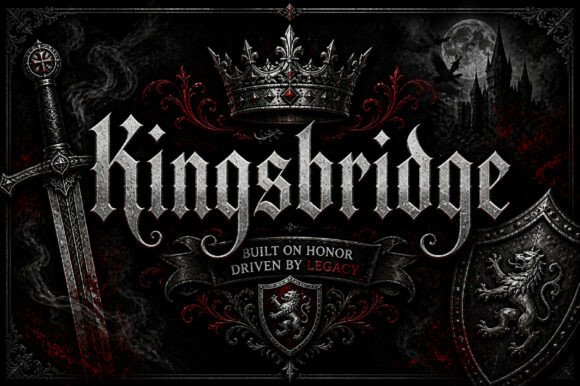
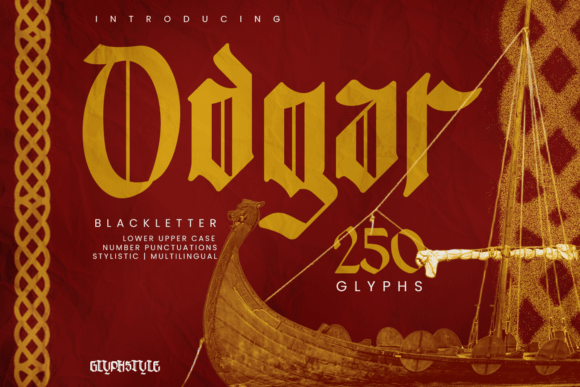
- Bold Blackletter Style: The font uses thick, dark strokes reminiscent of traditional Gothic typefaces but adapts them into a western context.
- Vintage Texture: Each character has a slightly rough or uneven edge, adding depth and an aged quality to the text.
- Decorative Strokes: Ornate flourishes and exaggerated details enhance the visual impact of each letter, making the font ideal for eye-catching headlines.
- High Readability in Context: Despite its ornate nature, Texas Cowboy remains legible when used appropriately, especially in larger sizes where its design elements shine.
Where Can You Use Texas Cowboy?
Texas Cowboy is particularly suited for projects that benefit from a strong visual identity rooted in tradition. Here are some common use cases:
- Western-Themed Designs: From barfly menus to rodeo posters, this font helps create an immersive experience that feels authentic to the Old West.
- Vintage Posters and Flyers: Its nostalgic appeal makes it perfect for retro-style marketing materials or event promotions with a classic vibe.
- Apparel and Merchandise: Brands selling cowboy boots, denim jackets, or themed accessories can use Texas Cowboy to craft logos and labels that resonate with their audience.
- Rustic Branding: Businesses such as wineries, breweries, or outdoor gear shops may find this font aligns well with their brand image.
- Signage and Storefronts: Physical locations like saloons, western boutiques, or theme parks can leverage the font for signage that stands out and tells a story.
Who Benefits Most from Using Texas Cowboy?
This font is not just for designers—anyone who wants to convey a sense of rugged individualism and timeless charm could benefit from it. It appeals to:
- Creative Professionals: Graphic designers and illustrators working on themed projects or branding campaigns will appreciate the expressive potential of the font.
- Business Owners: Entrepreneurs in the hospitality, retail, or entertainment industries seeking to establish a memorable visual presence can use it effectively.
- Content Creators: Bloggers, YouTubers, and social media managers targeting niche audiences interested in Americana, western lifestyles, or vintage aesthetics may find this font enhances their content's appeal.
- Hobbyists and Artists: Those crafting personal projects, such as invitations, greeting cards, or artwork, can add a touch of frontier flair with Texas Cowboy.
Strengths and Considerations When Using Texas Cowboy
The main strength of Texas Cowboy lies in its ability to evoke emotion and atmosphere through typography alone. It doesn’t just communicate words—it communicates a lifestyle, a time, and a place. However, there are several considerations to keep in mind when using this font in your work:
Strengths
- Strong Visual Impact: Ideal for headlines and titles that need to stand out without relying on color or other effects.
- Unique Aesthetic Appeal: Its one-of-a-kind look can differentiate your project from others, especially in competitive markets.
- Emotional Resonance: People often associate blackletter fonts with tradition and heritage, which can be powerful storytelling tools.
Considerations and Limitations
- Not Ideal for Long Text: Because of its ornate style, using it for body text or long paragraphs would hinder readability.
- Requires Complementary Fonts: For complete designs, pair it with a simpler, sans-serif font for supporting text to maintain balance and clarity.
- Limited Character Set: Some versions may lack extended language support or special characters, so check if it meets your specific needs before committing to it for a large project.
Real-World Applications and Examples
Let’s explore how Texas Cowboy can be applied practically across different industries and mediums:
1. Restaurant and Bar Signage
A local steakhouse or whiskey bar could use Texas Cowboy for their name on the storefront. The font’s boldness and texture help create a welcoming yet rugged ambiance, drawing in customers who appreciate the western vibe.
2. Apparel Branding
Imagine a clothing line inspired by cowboys and ranch life. Using Texas Cowboy for the logo gives it an instant connection to that heritage. It can also appear on tags, packaging, or promotional banners to reinforce the brand identity.
3. Event Promotion
For a country music festival or a western-themed wedding, this font can make event posters pop. It adds a layer of excitement and sets the tone for what attendees can expect.
4. Product Packaging
Artisanal products like handmade saddles, leather goods, or even coffee blends with a southwestern twist can use Texas Cowboy on labels and boxes. The font complements rustic textures and earthy colors beautifully.
5. Web Design and Social Media
While less common online due to its complexity, Texas Cowboy can still be used strategically. For instance, it might highlight a call-to-action button, a section title, or a tagline that encapsulates the brand’s personality.
Evaluating Suitability for Your Project
Before deciding to use Texas Cowboy in your next design, ask yourself these questions:
- Does the project have a western, vintage, or rustic theme? If yes, this font is likely a good fit.
- Will the font be used in a short headline or as a primary identifier? That’s where it performs best.
- Is the target audience likely to appreciate or understand the cultural references embedded in the font’s design? Research your audience’s preferences to avoid miscommunication.
- Can I pair it with another font to ensure readability and visual harmony? Always test combinations before finalizing a layout.
Additionally, consider the platform where the font will be displayed. On websites, ensure it loads quickly and looks consistent across devices. For print materials, confirm that the font’s texture and detail hold up under different printing conditions.
How to Get Started with Texas Cowboy
To begin using Texas Cowboy, you’ll typically need to download or license it from a font provider. Once installed, open your design software (like Adobe Illustrator, Photoshop, or Figma) and select it from the available fonts. Start experimenting with how it looks in different contexts.
Here are a few tips to maximize its impact:
- Use Sparingly: Save it for key visual elements rather than overwhelming the design with too much of it.
- Adjust Spacing and Size: The font often requires fine-tuning for spacing and scale to look balanced alongside other design elements.
- Test Colors: While it looks great in black or brown tones, don’t hesitate to try it in gold, red, or white for contrast against darker backgrounds.
- Combine with Western Imagery: Pair it with images of horses, deserts, or cacti to enhance the thematic consistency of your project.
Final Thoughts on Texas Cowboy
Texas Cowboy isn’t just a font—it’s a visual statement. It bridges the gap between historical design and contemporary creativity, offering a versatile tool for those who want to capture the wild, untamed spirit of the American frontier. While it shines in specific applications, understanding its strengths and limitations ensures it’s used effectively and meaningfully.
Whether you’re creating a logo for a new venture, designing a poster for a local event, or simply expressing your love for western culture, Texas Cowboy provides a unique and expressive option worth exploring. Just remember to use it thoughtfully and pair it with complementary elements to achieve the best results.